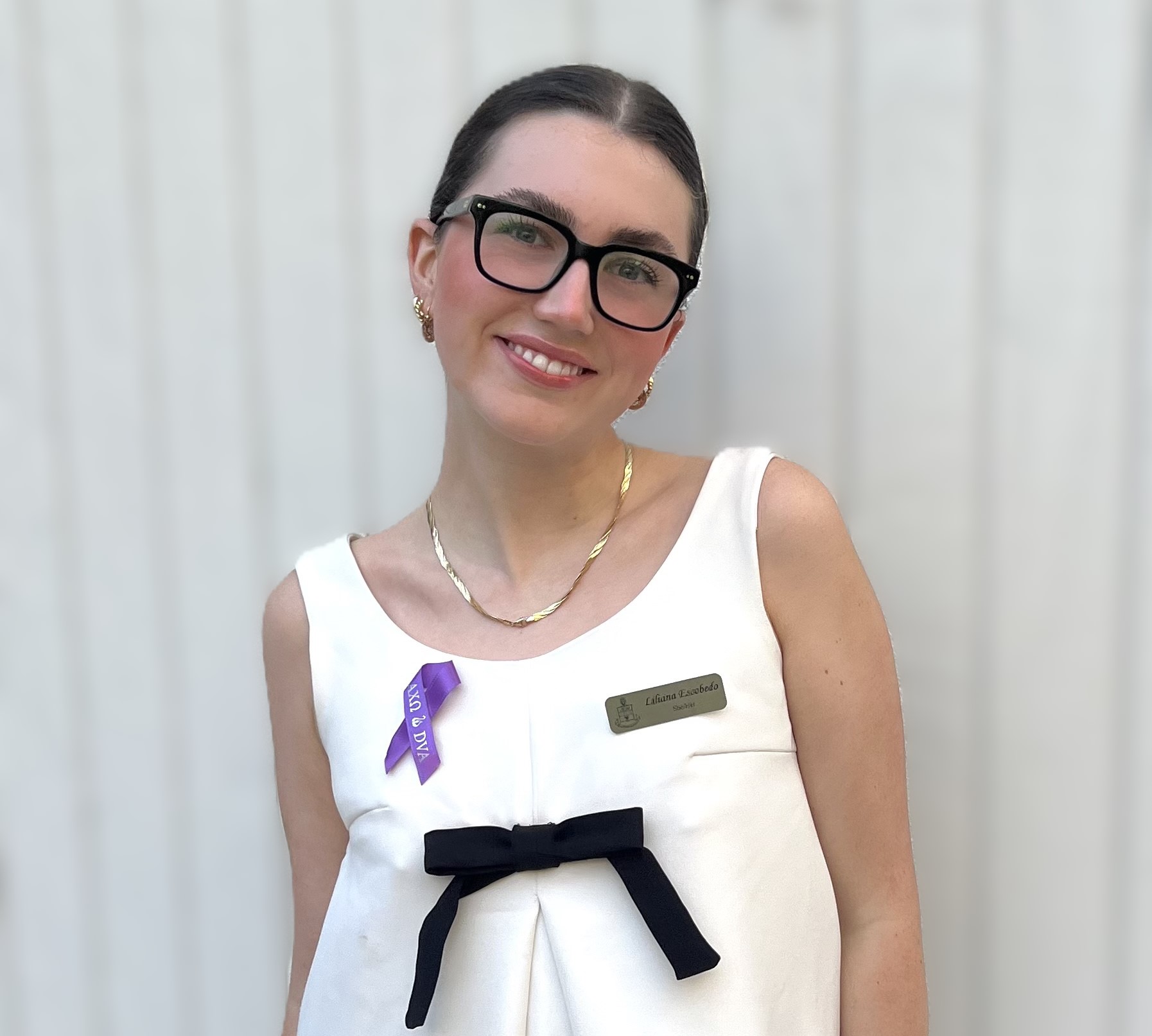
By guest author & contributor Liliana Escobedo
Soy parte de una familia mexicana americana. En mi casa, la identidad no solo se habla; se cocina. El amor no solo se dice; se sirve en un plato caliente.
Mi mamá siempre ha demostrado su amor a través de la comida. Cuando era niña, ella cocinaba las recetas de su propia familia. Thanksgiving noodles, chicken pot pie, casseroles. Comidas que vienen de su historia, de su cultura, de su niñez.
Pero cuando se casó con mi papá y tuvo hijos que son mexicanos americanos, algo cambió. Mi mamá decidió aprender nuestras recetas también. Nadie la obligó. Nadie le dijo que tenía que hacerlo. Lo hizo porque nos ama.
Aprendió a hacer mole. Aprendió a hacer pozole. Aprendió a hacer flautas de pollo con crema y lechuga. Ella llamaba a mi abuelita por teléfono para aprender. Escuchaba con atención cada detalle: cuánto chile, cuánto ajo, cuánto tiempo. A veces no le salía perfecto. Pero ella lo intentaba una y otra vez porque quería hacerlo perfecto para nosotros.
Con el tiempo, mejoró. Mejoró tanto que ahora mi abuelita, mis tíos y mis primos le piden que ella cocine. No solo la receta tradicional, sino la versión de mi mamá. Durante la Navidad aprendió sola a hacer pozole verde, aunque en nuestra familia casi siempre hacemos el rojo.
Nadie se lo enseñó directamente. Ella buscó, preguntó, intentó varias veces hasta que le salió perfecto. Cuando lo sirvió en la mesa, todos se sorprendieron. Era diferente, era suya; era la comida de Natalie.
Eso para mí es muy significativo. Porque mi mamá no es mexicana. Pero decidió aprender nuestra cultura para el bien de sus hijos. No solo aprendió las recetas; aprendió lo que significan.
En mi casa, la comida es identidad. Es memoria. Es conexión. Cuando comemos pozole en Navidad, no solo estamos comiendo. Estamos recordando a los que vinieron antes. Estamos recordando una parte importante de nuestra identidad.
Ser mexicana americana significa vivir entre dos mundos. En mi casa hay chicken pot pie una semana y mole la siguiente. Hay inglés y español en la misma conversación. Hay historias de la colonia de mi abuelita y también historias de mi Gram en Sarasota, Florida.
Mi mamá me enseñó que lo que no es tuyo por nacimiento, se puede aprender con amor. Es poner atención en las pláticas de tus seres queridos. Es respetar la historia de tu pareja. Es honrar la cultura de todos. Ella me enseñó que el amor no tiene que ver con lazos sanguíneos sino con el cariño.
Ella aprendió a cocinar comida mexicana porque quería que nosotros sintiéramos orgullo de quienes somos. Quería que nunca sintiéramos que tendríamos que escoger un lado u el otro. En su cocina, los dos lados existen juntos. What an amazing woman she is.
Ahora, cuando veo a mi mamá hacer sopitas, moviendo la cuchara lentamente, probándola, ajustando el sabor, veo más que una receta. Veo compromiso. Veo respeto. Veo a una mujer que decidió que la cultura de mi padre iba a ser la de su familia también.
Ella me enseñó que las culturas se pueden mezclar cuando hay amor. Que aprender la cultura de alguien es una forma de decir: te veo, te respeto, quiero entender de dónde vienes.
Yo soy mexicana americana. Soy mezcla del inglés y español. Soy mole y casseroles. Y gracias a mi mamá, porque ella me enseñó que el amor es algo que se construye todos los días, muchas veces frente a la estufa.
En mi casa, el amor huele a comida.
About the Author
Liliana Escobedo is a heritage Spanish speaker and undergraduate student of Spanish and Latin American cultural studies at the University of Oregon. Her writing explores language as something lived—spoken across generations, shaped in the home, and carried through memory, emotion, and everyday practice. Working between English and Spanish, Liliana approaches language not as a fixed system, but as a space of negotiation, intimacy, and identity.
Her creative piece “Las recetas con amor de Natalie” emerges from this lived bilingualism, where translation unfolds not only between languages, but across cultures, relationships, and histories. Drawing inspiration from Como agua para chocolate, the piece reimagines food as a form of emotional and cultural transmission – what is learned, adapted, and lovingly remade across difference. In Liliana’s work, the kitchen becomes a site of translation, where heritage is not simply inherited, but actively constructed through care, repetition, and devotion. Through her writing, Liliana offers a deeply personal reflection on what it means to be Mexican American: to live in linguistic and cultural in-betweenness, and to find belonging not in purity, but in mixture, memory, and love.


